1. Introduction
Stocks on-chain is the umbrella term for shares that are tradeable on the blockchain. This market has accelerated since 2024: several crypto exchanges now offer shares such as Apple, Tesla and even SpaceX as tradeable tokens.
On this site we compare these products objectively, because not every "tokenised stock" is the same. There are fundamental differences in ownership, dividend rights and legal protection.
2. What are stocks on-chain?
Stocks on-chain are digital representations of real shares, tradeable on a blockchain. For the user it feels like crypto: you can buy, sell and sometimes transfer to an external wallet. But the token is linked to a real share held by a custodian or SPV.
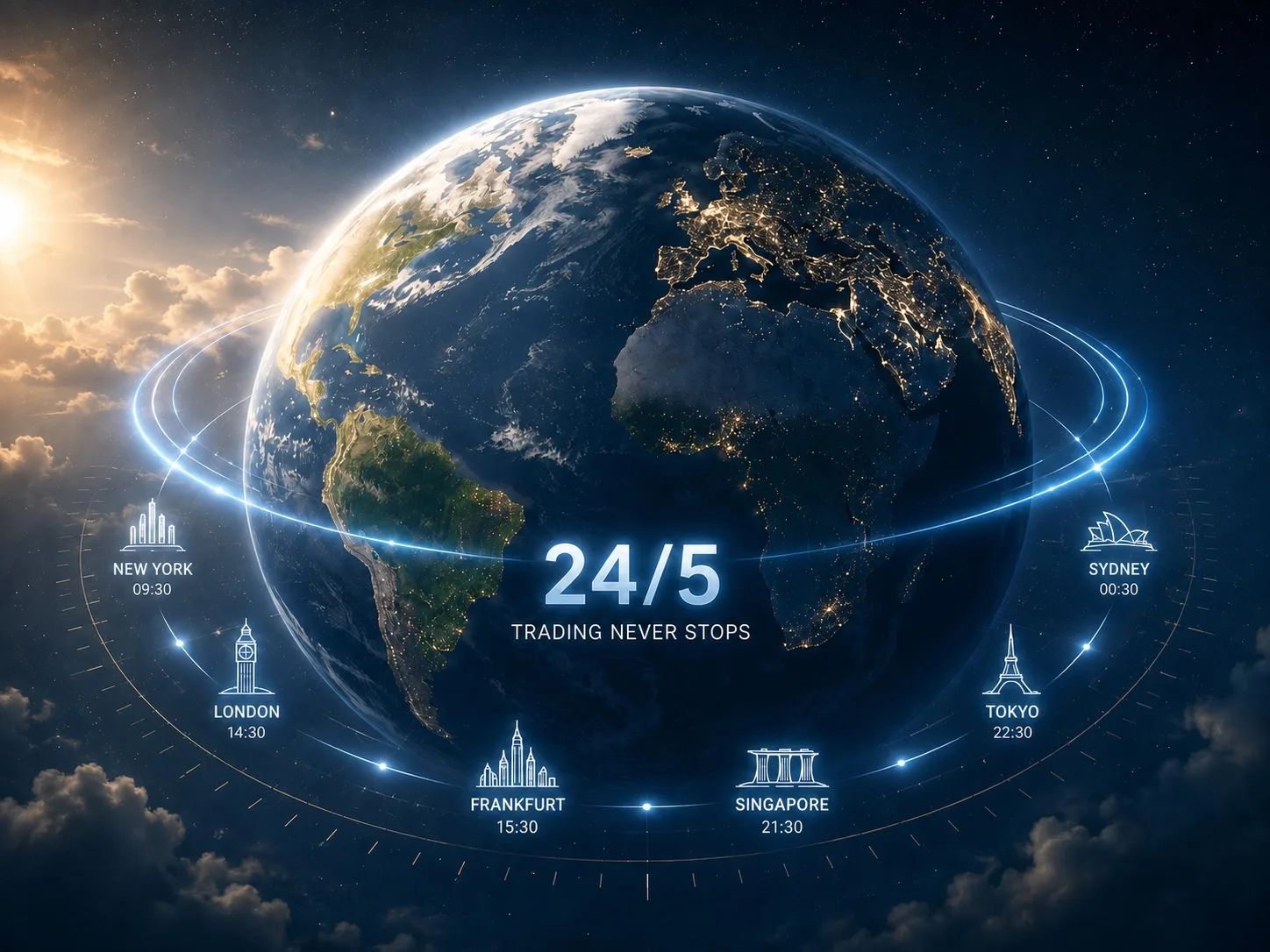
The big promise: 24/5 trading (instead of classic exchange hours), direct settlement (instead of T+2 at traditional brokers), and crypto-native access (one account for crypto and stocks).
Continue reading the article
3. The two types of tokenised stocks
As explained in Real stocks vs wrapper tokens, there are two fundamental variants:
- Real stocks (security entitlements) — you own a real share via an SEC-registered custodian, under US law (typically UCC Article 8).
- Wrapper tokens — you own a contractual claim on an issuer (often in Jersey or another offshore jurisdiction), which in turn holds the shares.
The difference lies in legal protection, dividend rights, voting rights and transferability to traditional brokers.
4. Why offer stocks on-chain?
For exchanges it offers several advantages:
- Broader product suite — one platform for crypto and stocks
- 24/5 trading — more volume, more fees
- Crypto-native UX — a new generation of investors does not need to open a traditional brokerage account
- Composability — some tokens can be used as collateral in DeFi
For you as a user:
- Access to US stocks without a US broker — trade directly from Europe
- Faster settlement — instant (or near-instant) on some exchanges
- One account — no separate brokerage account needed
- Wallet-to-wallet transfer — on certain platforms you can move shares like crypto
5. Which stocks are available?
Providers vary widely in scope:
- Small set (10-30 stocks) — usually US large-caps: AAPL, TSLA, MSFT, NVDA, GOOGL
- Medium set (100-500 stocks) — including ETFs such as SPY, QQQ and mid-caps
- Large set (1,000+) — nearly all Nasdaq- and NYSE-listed stocks, plus ETFs
- Very large set (7,000+) — via direct integration with traditional brokers
Some exchanges also offer pre-IPO exposure (for example SpaceX), which was traditionally only accessible to accredited investors.
6. How do you buy stocks on-chain?
- Choose an exchange that offers tokenised stocks
- Complete KYC/AML (mandatory under EU rules)
- Deposit: via SEPA (EUR), USD wire, or crypto deposit
- Find the desired stock (ticker) on the platform
- Place your order — market or limit
Important: check whether the stock is on-chain composable. If you want to send it to an external wallet, or use it in DeFi, this must be explicitly supported. See Real stocks vs wrapper tokens.
7. Custody and legal protection
The custody structure determines what happens if the exchange goes bankrupt. Some common structures:
- SEC-registered broker with UCC Art. 8 segregation — strongest protection
- SPV in Jersey with 1:1 backing — protection depends on SPV solvency
- Custodian consortium — several parties share custody
As a general rule: the more transparent the custody chain, the better. Always ask for Proof of Reserves or a custody attestation. See Proof of Reserves explained.
8. Comparing exchanges: stocks on-chain
See our detailed pages: Compare stocks and Backpack Stocks vs Binance Stocks.
Stocks on-chain look like one uniform product, but the custody structure determines how much protection you get. The level of protection ranges from an SEC-regulated broker with UCC Article 8 segregation to an offshore SPV with only 1:1 backing. So check the custody chain and Proof of Reserves before you get in.
Frequently asked questions
Can I convert a tokenised share into a real share at a traditional broker?
With real-stock variants supporting ACATS: yes. With wrapper tokens: no — you must sell on the exchange first.
Are stocks on-chain safer than traditional investing?
Not by definition. Real stocks via an SEC-registered custodian offer strong protection; offshore wrapper tokens less so.
Can anyone buy stocks on-chain?
Usually yes, except US residents (due to SEC rules) and some sanctioned countries.
What happens in a stock split?
With real stocks your tokens are updated automatically by the custodian. With wrapper tokens it depends on the issuer.