1. Introduction
Crypto exchanges increasingly offer "stocks". But not all tokenised stocks are equal. There are two fundamental variants with different legal and operational consequences.
2. What are tokenised stocks?
Tokenised stocks are digital representations of shares on a blockchain. They give exposure to household names like Tesla, Apple or SpaceX without a traditional brokerage account.
The crucial difference is what you actually own.
Continue reading the article
3. Type 1: real stocks
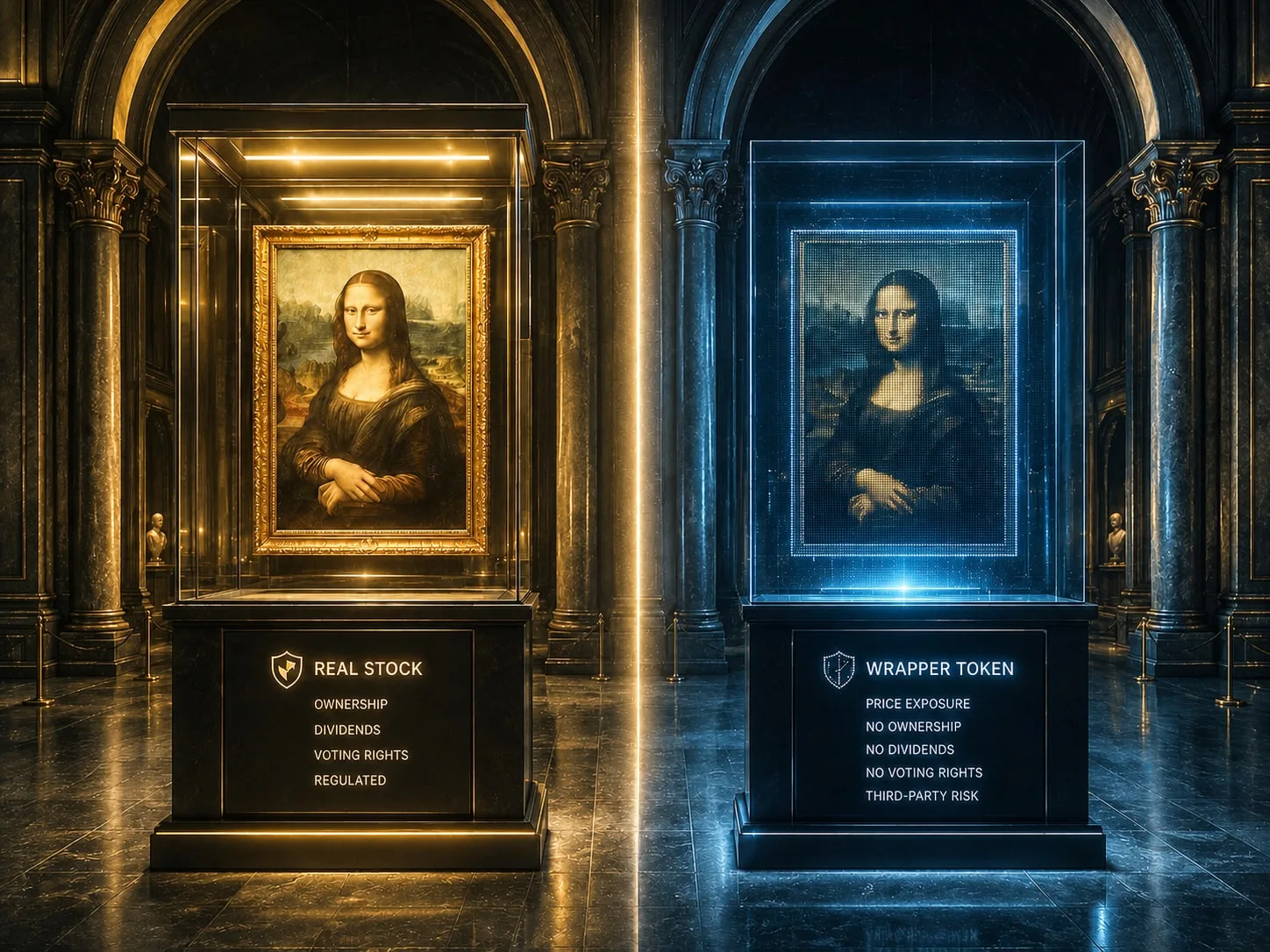
With real stocks you own an actual share, usually held under US securities law (New York UCC Article 8). The token represents that share one-to-one; custody sits with an SEC-regulated broker.
Characteristics:
- You are the legal owner of the share
- Entitled to dividends
- Voting rights (sometimes)
- Transferable to traditional brokers (Schwab, IBKR) via ACATS/DTCC
- If the exchange fails, the shares remain yours (segregation)
4. Type 2: wrapper tokens
With wrapper tokens you own a contractual claim on an issuer (usually in Jersey or another offshore jurisdiction) who holds the shares and guarantees 1:1 backing.
Characteristics:
- You own a claim, not a share
- Usually no dividend rights (or synthesised)
- No voting rights
- Not transferable to traditional brokers
- If the issuer fails, you are a creditor — not a shareholder
5. Comparing legal status
| Aspect | Real stocks | Wrapper tokens |
|---|---|---|
| Ownership | Share | Claim on issuer |
| Jurisdiction | US (UCC Art. 8) | Jersey / offshore |
| Dividend | Yes | Rarely / synthetic |
| Voting | Sometimes | No |
| Bankruptcy segregation | Yes | No |
| ACATS transfer | Yes | No |
6. Dividends and platform treatment
With real stocks, dividends can be processed as a cash amount, depending on the provider and custodian.
With wrapper tokens, processing varies per provider. Some issuers embed dividends synthetically in the token price; others pay out no dividend component at all.
So always check the exchange's product documentation before choosing a stock product.
7. What do you really own?
The simplest test: if the exchange goes bankrupt, is your "share" still yours?
- Real stocks: yes. The shares sit with a broker/custodian, segregated from the exchange.
- Wrapper tokens: it depends on the issuer's solvency. You are a creditor, not an owner.
For short-term speculation the difference barely matters. For the long term and larger amounts, it does.
The word "stock" hides two very different legal products. A real stock is a segregated share held under US securities law, so it stays yours if the exchange fails; a wrapper token is a contractual claim on an issuer, leaving you an unsecured creditor. For short-term trades the gap barely matters, but for larger, longer-held positions it is the whole story.
Frequently asked questions
Are xStocks real stocks or wrapper tokens?
Most xStocks variants are wrapper tokens issued by an SPV.
Can I trade real stocks 24/7?
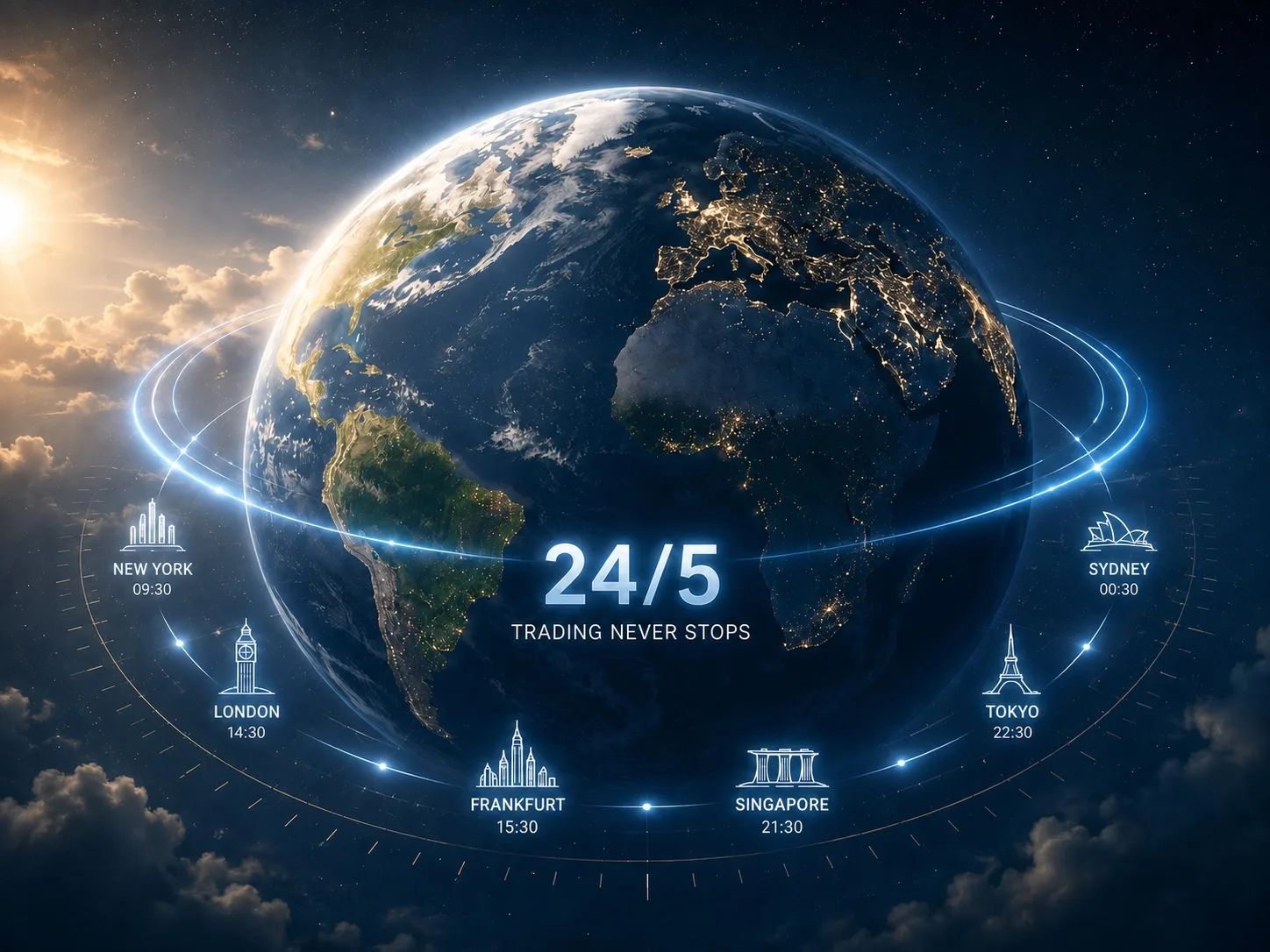
Often 24/5 — outside exchange hours pricing relies on the platform's internal market makers.
What is UCC Article 8?
The US Uniform Commercial Code Article 8 governs securities ownership and guarantees that a "security entitlement" is your property, even through intermediaries.